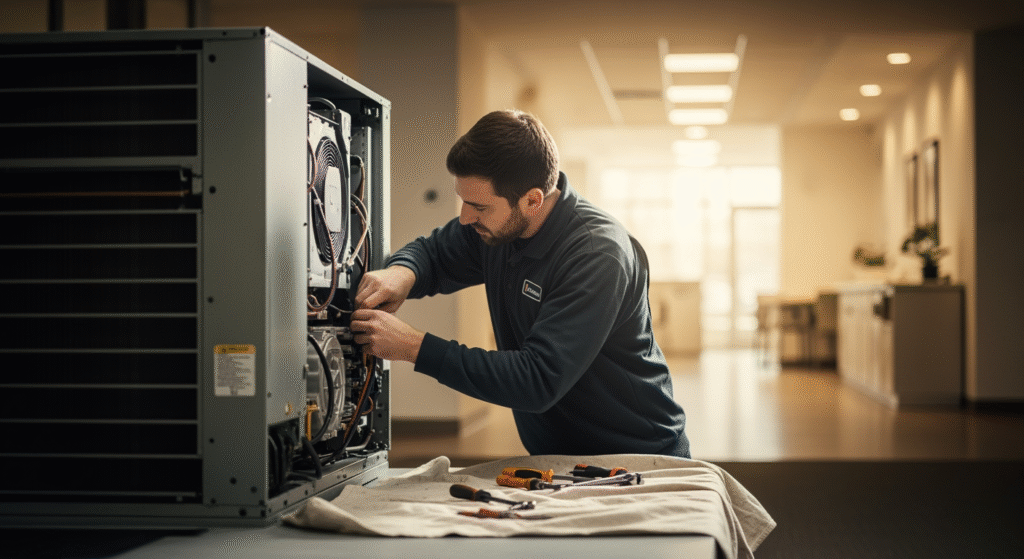
I’ve seen more than my share of sweating rooftops and overheated meeting rooms, and when commercial cooling fails, it quickly becomes an urgent problem. If you’re searching for Dallas commercial ac repair, you’re not alone—many businesses in the city and surrounding neighborhoods turn to trusted resources to protect tenants, equipment, and inventory. For practical guidance on energy-efficient upgrades and federal programs that can help reduce operating costs, the U.S. Department of Energy is a good starting point.
Why timely commercial AC repair matters in Dallas
In Dallas’ hot, humid climate, an underperforming HVAC system affects more than comfort. Temperature swings can disrupt sensitive electronics, reduce employee productivity, and even damage perishable goods. I always tell facility managers that delaying repairs is a false economy. A small refrigerant leak or a failing compressor often grows into a rooftop-unit replacement that costs many times more than timely service. Beyond immediate costs, inefficient systems spike utility bills during peak summer months and can create liability issues if tenant spaces become unsafe.
Common signs your commercial system needs professional help
Knowing the warning signs can save time and money. Commercial systems behave differently than residential units; they’re larger, more complex, and often split across rooftops, mechanical rooms, and duct networks. Watch for these indicators and act quickly when you spot them.
- Unstable temperatures across zones—one office is freezing while another is sweltering, indicating airflow or zoning problems.
- Unusual noises from compressors or air handlers, such as banging, squealing, or grinding, which suggest mechanical wear or motor failure.
- Higher-than-normal energy bills without a corresponding change in building usage, a classic sign of declining efficiency.
- Sweeping system cycling on and off (short cycling) or long runtime without reaching setpoints, often caused by refrigerant problems, control faults, or oversized/undersized equipment.
Types of commercial AC systems you’ll encounter in the city
Dallas buildings use a mix of systems depending on age, building type, and rooftop real estate. Each system has specific repair needs and typical failure points, and understanding those differences helps you prioritize inspections and budgets.
Rooftop packaged units (RTUs) are common on retail and low-rise buildings and often need condenser fan motors, capacitor replacements, or refrigerant top-offs. Variable refrigerant flow (VRF) and ductless systems are increasingly used in office retrofits and demand careful refrigerant diagnostics and electronic control calibration. Chillers serve larger office towers and hospitals and require routine water-side treatment and compressor monitoring. Knowing which system you have helps you select technicians skilled in that equipment and ensures parts and controls are handled correctly.
How much does commercial AC repair cost in Dallas?
Costs vary widely based on system type, accessibility, and parts required. Minor repairs like capacitor or contactor replacements are relatively affordable, while compressor swaps, chiller overhauls, or rooftop unit replacements can be substantial. I recommend budgeting for a preventive maintenance program that reduces the frequency of major repairs and evens out operating costs across the year. Many property owners find that annual contracts with scheduled inspections pay for themselves through fewer emergency calls and lower energy use.
Budgeting tips
When planning expenses, break down potential costs into three buckets: routine maintenance, mid-range repairs, and capital replacement. Put energy savings into the equation. A well-tuned system can cut cooling-related energy use significantly, and federal or state incentives sometimes offset upgrade costs. If you manage multiple properties across neighborhoods like Uptown, Deep Ellum, or the Design District, standardizing systems and maintenance schedules simplifies procurement and reduces contractor travel costs.
Emergency response and downtime reduction
Downtime in retail, medical, or data-sensitive environments can rapidly escalate into lost revenue or compromised services. I advise clients to build a simple emergency response plan that includes clear vendor escalation, prioritized space lists (which rooms must be cooled first), and temporary cooling options like portable units or phased isolation to keep critical operations running while the main system is repaired.
Ask your service provider about same-day or 24/7 response options, and keep a small inventory of common spare parts such as contactors, capacitors, and belts. That small stockpile often turns a multi-day outage into a same-day fix.
Trending topics in commercial HVAC you should know
Two big trends are reshaping how Dallas businesses approach commercial HVAC: smarter controls and refrigerant transition. Smart building controls and predictive maintenance powered by sensors and cloud analytics are reducing unplanned downtime and optimizing energy use. Instead of reactive repairs, predictive models flag components likely to fail so teams can replace parts during scheduled windows.
At the same time, the refrigerant landscape is changing due to environmental regulations and phase-down schedules. That affects service strategies—technicians need to know how to handle newer low-global-warming-potential refrigerants, and building owners should plan for eventual retrofits or system replacements. These trends are not just technical; they affect operating costs and long-term asset value.
Preventive maintenance checklist for Dallas buildings
Regular preventive maintenance is the most effective way to reduce emergency repair costs and extend equipment life. I recommend an inspection and tune-up at least twice a year, timed before heavy cooling seasons. Here’s a compact checklist you can use during vendor walk-arounds.
- Inspect condensers, clean coils, and verify adequate airflow; dirty coils reduce efficiency dramatically.
- Check refrigerant levels and run leak detection; address leaks promptly to avoid system damage and regulatory fines.
- Test controls, sensors, and thermostats; recalibrate or replace sensors that drift and cause poor temperature control.
- Lubricate moving parts, test belts, and inspect electrical connections for signs of wear or corrosion.
Choosing the right commercial HVAC contractor
Choosing a contractor is about credentials and fit. In a competitive market like Dallas, look for a firm that has experience with your system types, understands local code and permitting, and offers robust safety and training programs for technicians. I always recommend asking for references from similar buildings and verifying that the contractor carries appropriate commercial insurance and licenses.
Other practical criteria include a transparent pricing structure, clear emergency response terms, and documented warranties on parts and labor. Communication matters: choose a team that provides standard reporting after each visit so you can track recurring issues and make informed capital planning decisions.
How to cut cooling costs without sacrificing comfort
There are practical upgrades that reduce energy use and improve tenant comfort, many of which pay back faster than expected in Dallas’ long cooling season. Simple control upgrades, better zone management, and variable-speed drives on motors can trim usage significantly. Also consider improving building envelope performance—adding shading, upgrading windows, and sealing ductwork reduces the load on the HVAC system.
For organizations focused on sustainability, electrification and heat-pump-driven systems paired with rooftop solar are becoming viable for many commercial properties. These moves require upfront planning, but they align with growing tenant and investor demand for lower-carbon buildings and may qualify for incentives that reduce net costs.
Action steps to get started this month
If you’re ready to reduce risk and costs this cooling season, follow these immediate steps I recommend to property managers and business owners in the city:
- Schedule a seasonal inspection for your rooftop units or chillers and request a detailed diagnostic report that lists critical vs. non-critical repairs.
- Review recent energy bills and identify abnormal spikes; ask your technician to include runtime and cycling data in their report.
- Create an emergency contact sheet and parts list for each mechanical room so service teams can act fast when problems arise.
- Explore control upgrades or incentive programs that help offset the upfront costs of efficiency measures; include payback calculations in your decision-making.
How technology improves repair outcomes
Modern technicians use digital tools to speed diagnosis and reduce repeat visits. Thermographic cameras reveal hidden hot spots in electrical panels, refrigerant leak detectors find fugitive emissions quickly, and mobile reporting lets building owners see inspection photos and test results in real time. When you choose a contractor that uses these tools, you’ll often get faster fixes and clearer plans for longer-term improvements.
Common questions I hear from Dallas clients
Property owners often ask whether to repair or replace aging equipment. My answer depends on the unit’s age, efficiency, repair history, and whether it uses phased-out refrigerants. If a unit has had multiple major repairs in a short time or contains a refrigerant that will soon be unavailable, replacement can be the smarter financial choice because modern equipment operates far more efficiently.
Another frequent question is about indoor air quality. Proper filtration, balanced ventilation, and periodic duct cleaning improve IAQ and tenant satisfaction. For buildings with healthcare or food-service operations, stricter filtration and maintenance schedules are essential and reduce both health risks and operational disruptions.
Local considerations for Dallas property managers
Dallas’ mix of older commercial stock and new developments means you’ll see a wide variety of HVAC designs. In historic neighborhoods where rooftop access is tight or buildings have ornate roofs, factor in rigging and crane costs for major replacements. In fast-developing areas like the Design District or near the medical corridors, plan service windows to avoid peak customer hours and coordinate with tenants to minimize disruption. Also factor in seasonal peaks: the hottest weeks of summer often see longer lead times for parts and service, so pre-season planning is essential.
Final thoughts and next steps
Managing commercial cooling in Dallas means balancing immediate repairs with long-term planning. With the right preventive program, timely repairs, and selective upgrades, you can reduce downtime, protect assets, and lower operating costs. If you want help assessing your current systems, prioritizing repairs, or planning efficiency upgrades, I recommend getting a professional diagnostic that outlines short- and long-term options and includes clear cost and energy savings estimates.
If you’re ready to schedule an inspection or learn more about tailored commercial HVAC solutions in Dallas, contact NexTech for a consultation and fast, professional service.